
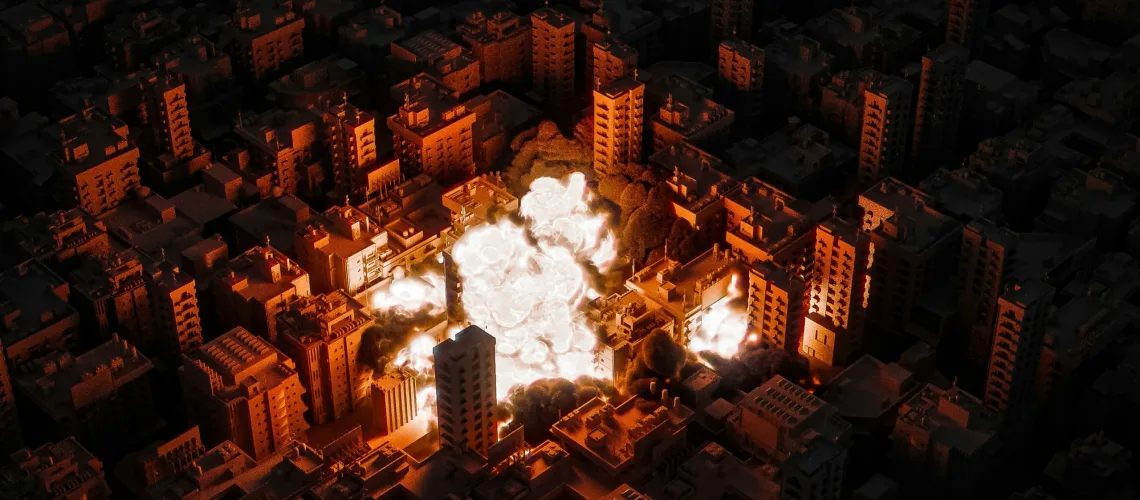

The escalating conflict in Iran has triggered a seismic shift in how the world’s wealthiest families manage their fortunes. As energy markets reel and economic sanctions tighten, ultra-high-net-worth (UHNW) investors are rapidly establishing international branches of their family offices to hedge against an increasingly fractured global landscape.
According to wealth management experts, the primary drivers are the massive disruptions to oil supplies and a fundamental shift toward competing economic blocs. With Iran’s blockade of the Strait of Hormuz removing an estimated 100 million barrels of oil per day from the market, prices have stabilized above $100 a barrel—a scenario the International Energy Agency (IEA) labels the most significant supply shock in modern history.
Strategic Restructuring in Real-Time
The volatility has prompted a massive rebalancing effort, with clients reportedly moving between 15% and 20% of their total portfolios to mitigate risk. However, the response goes beyond simple asset allocation.
Nigel Green, CEO of deVere Group, notes that the “new reality” of global economics is forcing a complete overhaul of ownership structures.
“Diversification is being rewritten,” Green stated. “It’s no longer just about market performance; it’s about how assets behave across different political and regulatory systems. Family offices are becoming the essential tool for navigating this precision.”
Key Trends in Wealth Management:
- Compressed Timelines: Complex restructurings, such as trust reconfigurations and holding company adjustments that once took years, are now being finalized in months.
- Multi-Jurisdictional Presence: Families are opening physical branches in diverse regions to ensure they can operate even if trade and capital flows in one bloc are restricted.
- Accelerated Succession: Fears over long-term stability have led many families to fast-track intergenerational wealth transfers and governance planning to ensure their legacy survives geopolitical upheaval.
A New Economic Order
The trend suggests that the ultra-wealthy view the current conflict not as a temporary blip, but as a catalyst for a permanent change in the global order. As trade becomes more fragmented and state intervention rises, the move toward decentralized, globalized family office structures is expected to persist.
“The Iran conflict is the spark,” Green added. “The underlying shift is a world defined by strategic competition. Families are positioning themselves now to ensure their wealth can adapt and endure, regardless of how the map is redrawn.”